Yoga vs Pilates: An Honest Guide to Choosing (or Doing Both)
This is for anyone standing between two class schedules, or two apps, trying to decide: yoga or pilates? I teach yoga, I respect pilates, and I think the honest answer is more useful than a loyal one. You will get a short history of each, what a session actually feels like, the breathing difference nobody warns you about, where each one leans on strength, flexibility, core, and calm, who each suits by goal, what the equipment and classes cost, and a sample week that uses both. The conclusion will not surprise you, but the reasons might.
Where I am coming from
I should be upfront about my bias. I came to yoga for the look before I came to it for the practice, and I wrote about that honestly in my essay on moving from aesthetic to asana. Years of teaching since then have made me more interested in what actually helps a body than in defending one tradition. Pilates has taught my own core things that years of yoga did not, which is why it gets a fair hearing here.
Where each one comes from, briefly
Yoga is thousands of years old and comes from India. The physical postures (asana) are one part of a much larger philosophy that includes breath practices, meditation, and ethics. Most of what gets taught in Western studios is the physical practice plus breathing and a little stillness, in styles that range from slow and held (hatha, yin, restorative) to flowing and sweaty (vinyasa, power, hot).
Pilates is about a century old and comes from one person, Joseph Pilates, who built a system of controlled exercises (he called it Contrology) around core strength, alignment, and precise movement. It spread through dancers and rehabilitation settings before it became a studio class. It comes in two forms: mat pilates, done on the floor with your bodyweight, and apparatus pilates, done on spring-loaded equipment like the reformer.
That history explains the personalities. Yoga is a practice with a workout inside it. Pilates is a workout with a method inside it.
What a session actually feels like
A yoga class
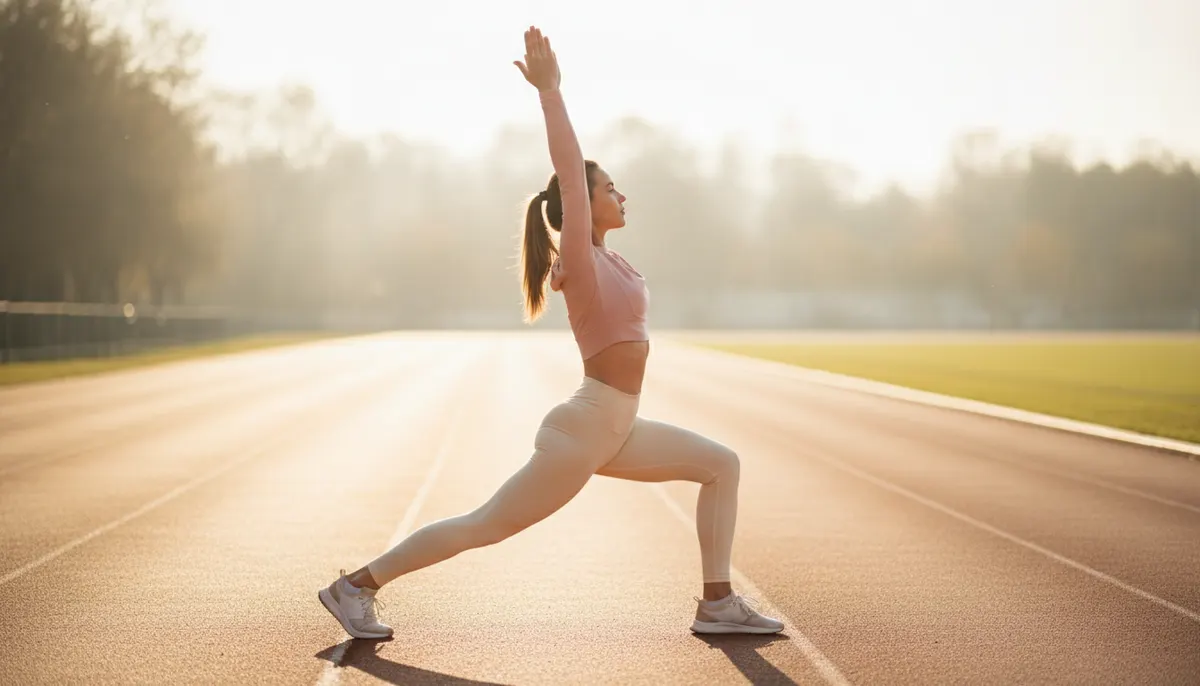
You arrive, sit, and breathe for a minute or two. The teacher warms you up with Cat-Cow and a few Sun Salutations, then moves you through standing poses held for about five breaths each: Warrior II, Triangle, a lunge, a balance pose. Then floor work, usually some hip opening and a backbend or a twist. Then Savasana, lying still for a few minutes.
Depending on the style, you might sweat heavily or not at all. What stays constant is the held shapes, the breath leading the movement, and a mental quality that is hard to describe until you feel it: your attention gets quiet. You leave looser, slower, and usually calmer than you arrived.
A pilates class
You start lying on the mat. The teacher takes you through breathing and finding a neutral spine, then into small, precise movements: pelvic curls, the hundred (pumping your arms while holding your head and shoulders up), leg circles, single-leg stretches, rolling like a ball, a side-lying leg series, swimming. Movements are repeated, usually 8 to 10 times, with constant cues about control.
The feeling is different. Your deep abdominals shake. You discover muscles on the inside of your hips you had never met. There is very little stillness and a lot of instruction. You leave feeling tall, worked in a specific way, and far more aware of where your pelvis is than you were an hour ago.
Breathing: the biggest difference nobody mentions
If you take both classes in the same week, this is what will confuse you.
In yoga you breathe in and out through your nose, low into the belly, and the breath often leads the movement: inhale to lengthen, exhale to fold or twist. Some styles add ujjayi breath, a soft ocean sound made at the back of the throat. The breath is not a tool for the poses; in many ways the poses are a tool for the breath.
In pilates you inhale through the nose and exhale through the mouth, breathing wide into the sides of the ribcage so the abdominals can stay engaged the whole time. You exhale on the effort, meaning the hard part of the movement. Here the breath is a tool, and a brilliant one, for keeping your core switched on while your limbs move.
Try it right now: take five slow belly breaths, nose only, and notice how your abdomen softens. Now take five breaths into your side ribs with the belly gently drawn in, exhaling through the mouth, and notice how your abdomen stays firm. That is the whole difference in two minutes, and it tells you a lot about what each practice is for.
Strength, flexibility, core, and calm: where each one leans
Strength
Pilates builds strength in a targeted way: deep core, glutes, inner thighs, hip stabilizers, the small muscles along the spine. It is strength for control, and it transfers well to lifting and running form. Yoga builds more general endurance strength through holding: legs in the Warrior poses, arms and shoulders in Downward Dog and Plank. Neither replaces a barbell, and I would not want them to.
Flexibility
Yoga wins here, and it is not close. Long holds with slow breathing are the most reliable way I know to increase range of motion in the hips, hamstrings, shoulders, and spine. Pilates improves mobility too, but by moving with control at the edges of your range rather than by lengthening into them.
Core
Pilates is built around the core; nearly every exercise is a core exercise with something attached. Yoga trains the core indirectly in most poses and directly in a few (Boat, Plank, Side Plank), but it is not the organizing principle. If core strength is the goal and you have to choose between the two, choose pilates. Either way, both overlap with the same handful of basics (dead bugs, bird dogs, planks, bracing) that I lay out in the core stability foundation every workout needs, so a few of those each week makes either practice better.
Calm
Yoga has calm built into its structure: slow breathing, long exhales, held stillness, Savasana. Pilates is focused and mentally absorbing, which is its own kind of relief from a noisy head, but it does not set out to settle your nervous system. If calm is the point, that difference matters more than any other on this list.
Which one suits your goal
Here is how I would steer a client, goal by goal, with the honest caveat that the practice you will actually show up for beats the “right” one on paper.
- Stress and anxiety: yoga, specifically slow styles with a breathing emphasis. Pilates helps because all exercise helps, but yoga is designed for this.
- General, non-acute back discomfort: pilates is often the first thing a physical therapist suggests, because it teaches neutral spine and deep core control. Gentle yoga can help too. Either way, if you have back pain, start with a physical therapist rather than a class.
- Core strength: pilates, with the core stability basics on the side.
- Flexibility: yoga, three short sessions a week, with long holds.
- Runners: both, in different roles. Pilates for hip stability, single-leg control, and the deep core that keeps your form together at mile eight. Yoga for hip flexors, calves, and learning to breathe when you are uncomfortable.
- Lifters: yoga for the mobility that makes squats and overhead work cleaner; pilates for bracing, anti-rotation, and a pelvis that stays put under load.
- Desk posture: pilates, with yoga backbends and chest openers as support.
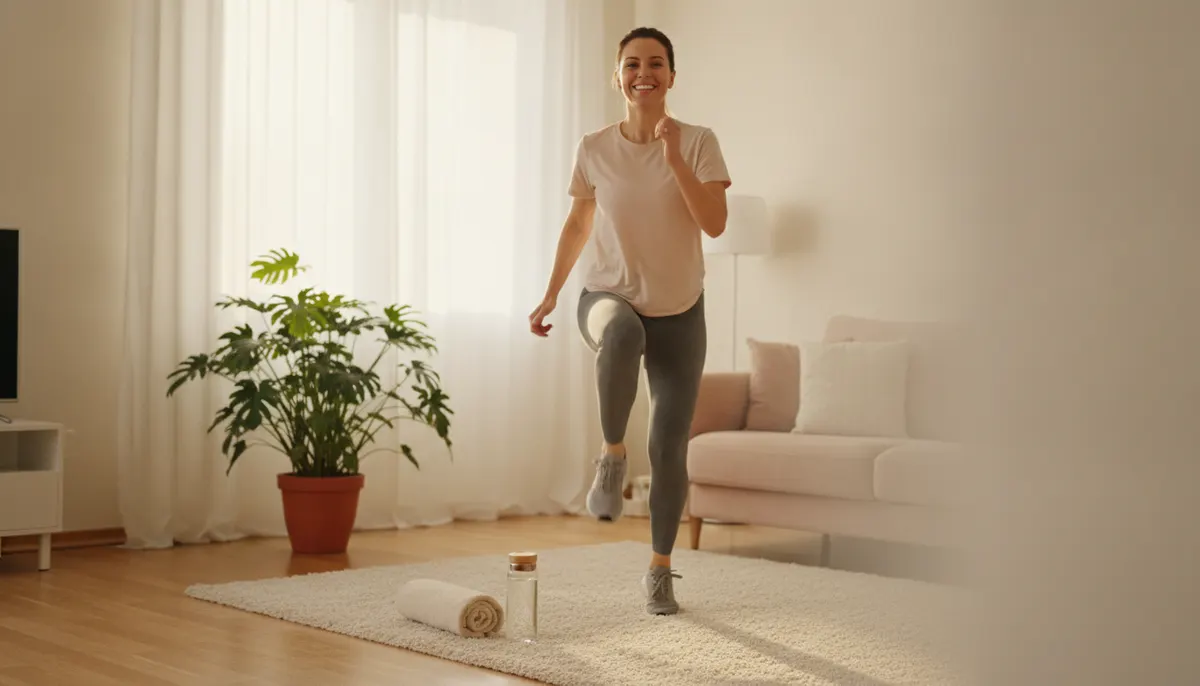
- Complete beginners: whichever one you are curious about. Both are beginner-friendly at home, and you can be practicing either one for ten minutes a day by the end of this week.
Equipment and cost
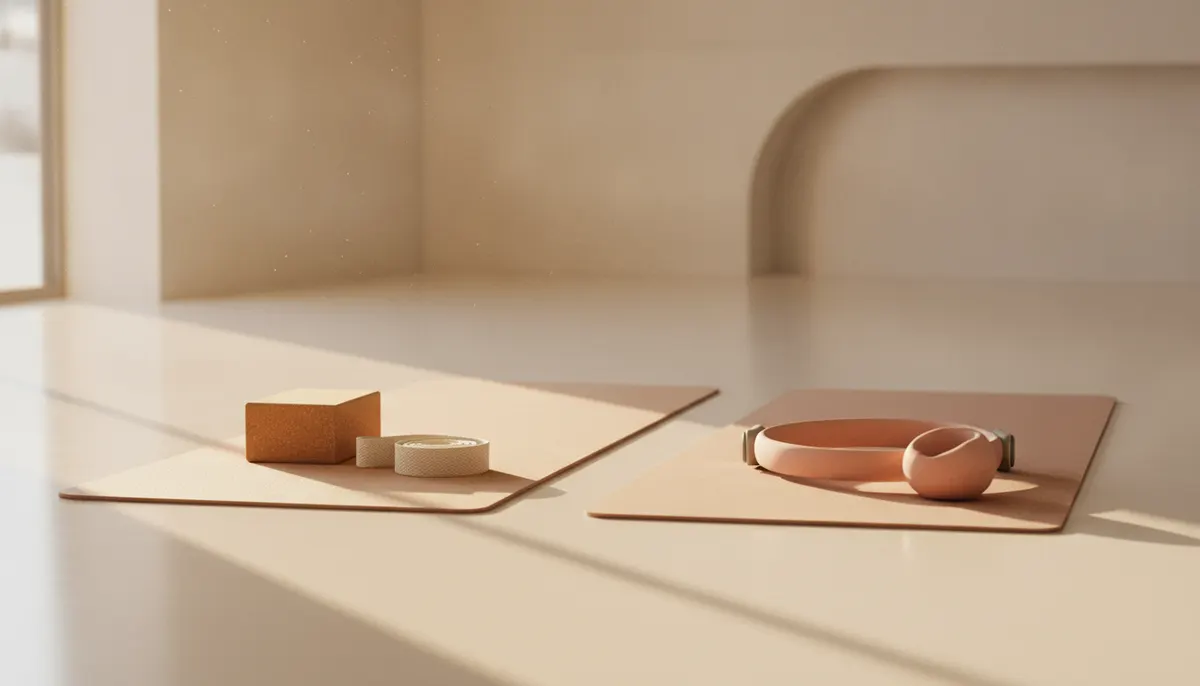
Yoga is close to free. A mat, two blocks, and a strap cover years of practice, and you can substitute a towel, a stack of books, and a belt until you decide to buy. Studio drop-in classes cost about what a nice lunch does, and there is more free, high-quality yoga online than anyone could get through in a lifetime.
Mat pilates is also cheap: the same mat (a slightly thicker one is kinder to your spine when you roll), and optionally a small ball, a ring, or a resistance band. Reformer pilates is the expensive one. The machines are large and costly, class sizes are small, and prices reflect that, usually well above a yoga drop-in. A home reformer is a serious purchase and a serious piece of furniture, so take a handful of classes before considering one.
Honest take: if cost is a factor, start with yoga and mat pilates at home. The reformer is wonderful, but it is not the only way into the method.
How to combine them in a week
Because they lean in different directions, yoga and pilates stack beautifully, as long as you respect two rules. Put pilates before strength work, where its activation makes everything else feel better. Put yoga after work or at the end of the day, where its slowing-down quality pays off. And do not try to do the hard version of both back to back.
A general fitness week
- Monday: strength training
- Tuesday: 20 minutes of mat pilates
- Wednesday: 30-minute yoga flow
- Thursday: strength training
- Friday: 15 minutes of pilates or core stability work
- Saturday: a walk, a run, or something outside
- Sunday: 20 minutes of slow yoga
A stress-first week
Three short yoga sessions of 15 to 20 minutes (a morning routine works well for at least one of them) plus one mat pilates session for strength and posture. If a week gets rough, drop the pilates, keep the yoga, and do not call it a failure.
A runner’s or lifter’s week
Ten minutes of pilates as the warm-up before two of your key sessions (pelvic curls, dead bugs, side-lying leg lifts, bridges), and one 20 to 30 minute yoga session on a rest day for hips, calves, shoulders, and breathing.
The at-home combo
My favorite short session uses both in half an hour: ten minutes of pilates core work first (pelvic curls, the hundred, single-leg stretch, side-lying leg lifts), then a twenty-minute yoga flow, then two minutes lying still. The pilates wakes up the center; the yoga uses it and then lets it go.
The honest conclusion
They are complementary, and anyone who tells you one is simply “better” is usually selling the other one’s absence. Pilates teaches you to control your center. Yoga teaches you to breathe and let go. Most bodies want both of those things, in different amounts, in different seasons.
If you have to pick one, pick the one you will actually do, and give it two weeks of three sessions before you judge. If you cannot pick, do exactly that with each of them, one after the other, and decide by how you feel afterward rather than by how either one looked. In my experience that answer arrives quickly, and it is usually right.
Where to go next
Both practices are easiest to start at home, with no teacher and no commute, so pick your door. A simple four-week plan for beginner yoga at home walks you from ten-minute sessions to a full routine, and a beginner’s guide to pilates does the same for the mat work, principles and first exercises included.